Vittorio Veneto: Serravalle, Ceneda and the Prosecco Hills
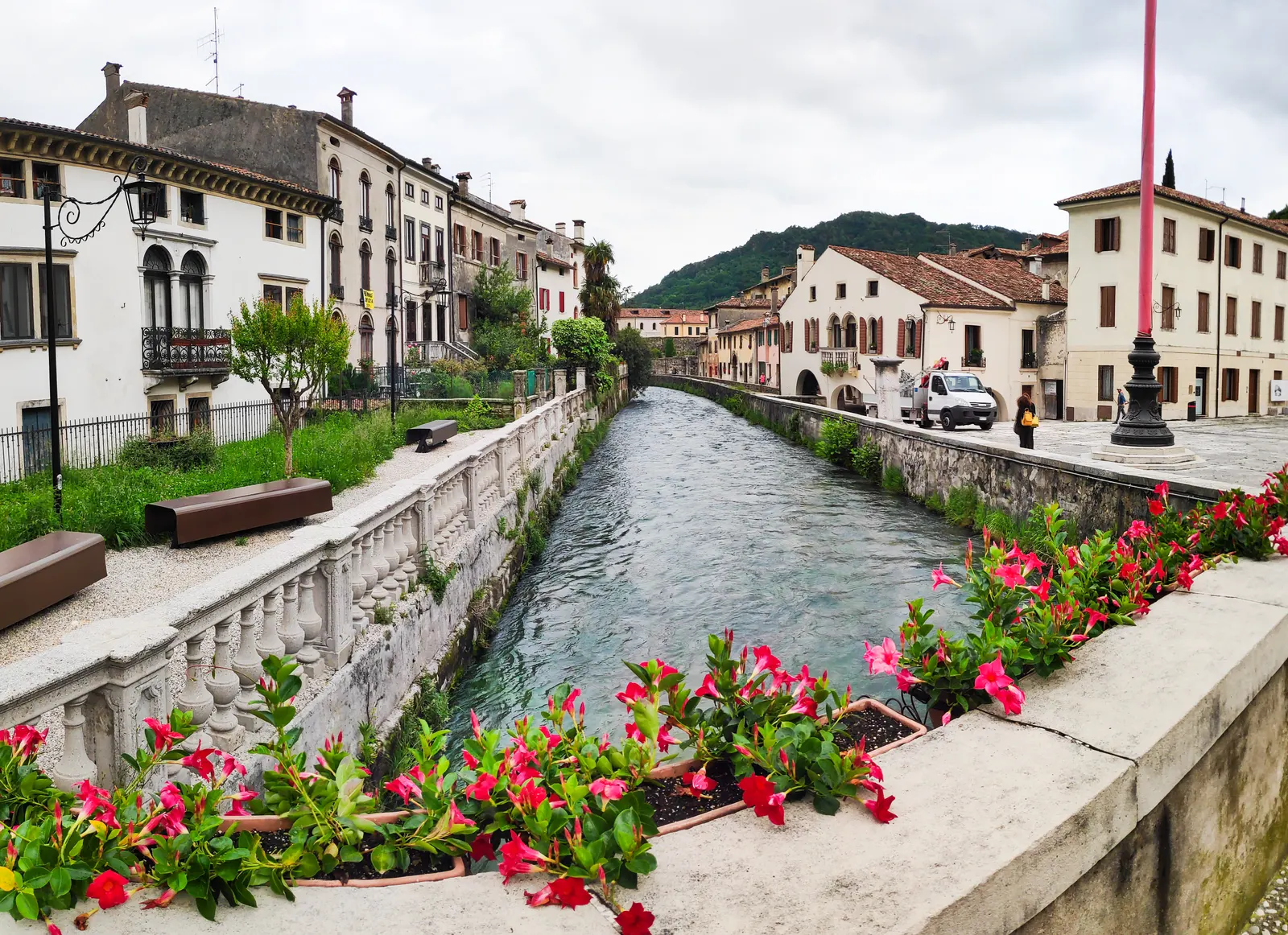
Vittorio Veneto is a town of about 27,000 people at the north-eastern end of the Prosecco hills. It's one of the 15 Conegliano Valdobbiadene DOCG communes, and its hills are in the UNESCO core zone. It was formed in 1866 from Ceneda and Serravalle and gave its name to the last battle between Italy and Austria-Hungary, in 1918. Trains from Conegliano take about 17 minutes.
.jpg)
- Time neededHalf a day
- MapOpen in Google Maps
What it is
Vittorio Veneto has about 27,300 people and sits at 138 m (Wikipedia, Italian). It was created on 27 September 1866 by merging two towns, Ceneda and Serravalle, and named “Vittorio” after King Victor Emmanuel II (same source). It became “Vittorio Veneto” in July 1923 (Wikipedia).
The name is famous in Italy for the Battle of Vittorio Veneto, 24 October – 4 November 1918, the last battle between Italy and Austria-Hungary in the First World War (Wikipedia).
For a Prosecco trip, think of it as the north-eastern gateway. It’s one of the 15 DOCG communes and its hills are in the UNESCO core zone. The town itself has two historic centres; the UNESCO hills run between here and Valdobbiadene.
What to see
Serravalle (the northern centre):
- Piazza Flaminio: Serravalle’s square, home of the Museo del Cenedese.
- Museo del Cenedese: in the old Palazzo della Comunità di Serravalle, built in 1462–1476, at Piazza M. Flaminio 1 (Musei di Vittorio Veneto). We couldn’t confirm its current opening hours.
- Duomo di Serravalle (Santa Maria Nova): its high altarpiece, a Madonna and Child in glory with Saints Andrew and Peter, is by Titian (Wikipedia, Italian).
Ceneda (the southern centre):
- Museo della Battaglia (Piazza Giovanni Paolo I): the First World War museum, opened on 2 November 1938 from the collection of Luigi Marson, a local veteran (museum history). Its sections cover life in the trenches and life under occupation (Musei di Vittorio Veneto).
- Cathedral of Santa Maria Assunta, the seat of the bishops. Albino Luciani, later Pope John Paul I, was bishop here from 1958 to 1969 (Wikipedia).
Lorenzo Da Ponte, who wrote the librettos for Mozart’s Don Giovanni, Le nozze di Figaro and Così fan tutte, was born in Ceneda (Wikipedia).
How to get there
| From | How | Time |
|---|---|---|
| Venezia Santa Lucia | Train, direct or change at Conegliano, €7.90 | 1 h 14 min–1 h 26 min |
| Conegliano | Train, €3.10 | 16–17 min |
| Venice, Piazzale Roma | Car, A27 | About 56 min, 73 km |
| Conegliano | Car | About 20 min, 14 km |
Train times and fares are from Trenitalia for a weekday in October 2026; on that day some Conegliano–Vittorio Veneto runs were replacement buses. Car times are OpenStreetMap routing estimates without traffic, checked 14 October 2026.
Vittorio Veneto has two stations on the Conegliano–Belluno line: Vittorio Veneto in the centre and Soffratta in Ceneda (Wikipedia).
Into the hills by bus: MOM bus 117 runs to Cison di Valmarino (about 25 minutes) and on to Follina, Monday to Saturday. Bus 121 goes on to Miane and Valdobbiadene, but only a few times a day (MOM timetables).
Time needed
Half a day for Serravalle and the Museo della Battaglia. Check the museum days first: it’s closed on Mondays. Then go west into the hills by car or bus 117 for CastelBrando and Rolle.
Frequently asked questions
Is Vittorio Veneto part of the Prosecco hills?
Yes, at the edge. It's one of the 15 communes of the Conegliano Valdobbiadene Prosecco Superiore DOCG (Consorzio, Wikipedia, Italian), and its hilly land is in the UNESCO core zone (UNESCO site management). The town sits at the north-eastern end. The 51 km Cammino delle Colline del Prosecco walking route ends here (official page).
How do I get to Vittorio Veneto from Venice?
By train from Venezia Santa Lucia: a few direct trains take 1 hour 14 minutes; at other times you change at Conegliano and it takes about 1 hour 26 minutes. The fare is €7.90 (Trenitalia, checked for a weekday in October 2026). By car it's about 73 km and 56 minutes from Piazzale Roma (OpenStreetMap routing, no traffic); the A27 exit is Vittorio Veneto Sud (Musei di Vittorio Veneto).
What are the Museo della Battaglia's opening hours?
Tuesday to Friday 9:30–12:30; Saturday and Sunday 10:00–13:00 and 15:00–18:00. It's closed on Mondays, except holiday Mondays, and on Christmas Day, 26 December, 1 January and Easter (Musei di Vittorio Veneto, checked 14 October 2026). We couldn't confirm the ticket price.